Table of Contents

Where to Distribute Brij QR Codes

- Brands that place QR codes in more than one location reach more buyers, because each placement catches a different shopper at a different moment in the journey.
- In-pack placements (on the box, on the product, inserts, stickers, and manuals) are the only ones that reach every buyer on every channel, including retail and marketplace buyers brands usually never see.
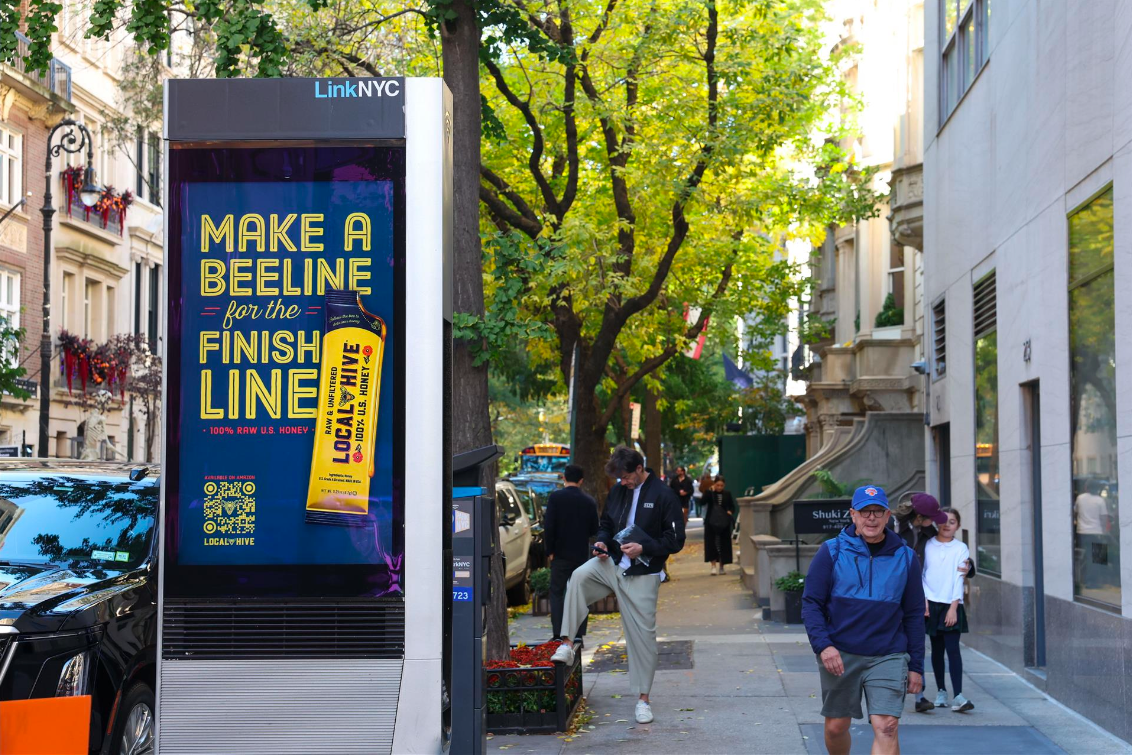
- Out-of-home ads become shoppable when they carry a code: Local Hive Honey turned NYC Marathon LinkNYC displays into a path to buy on Amazon and unlock a $2 rebate.
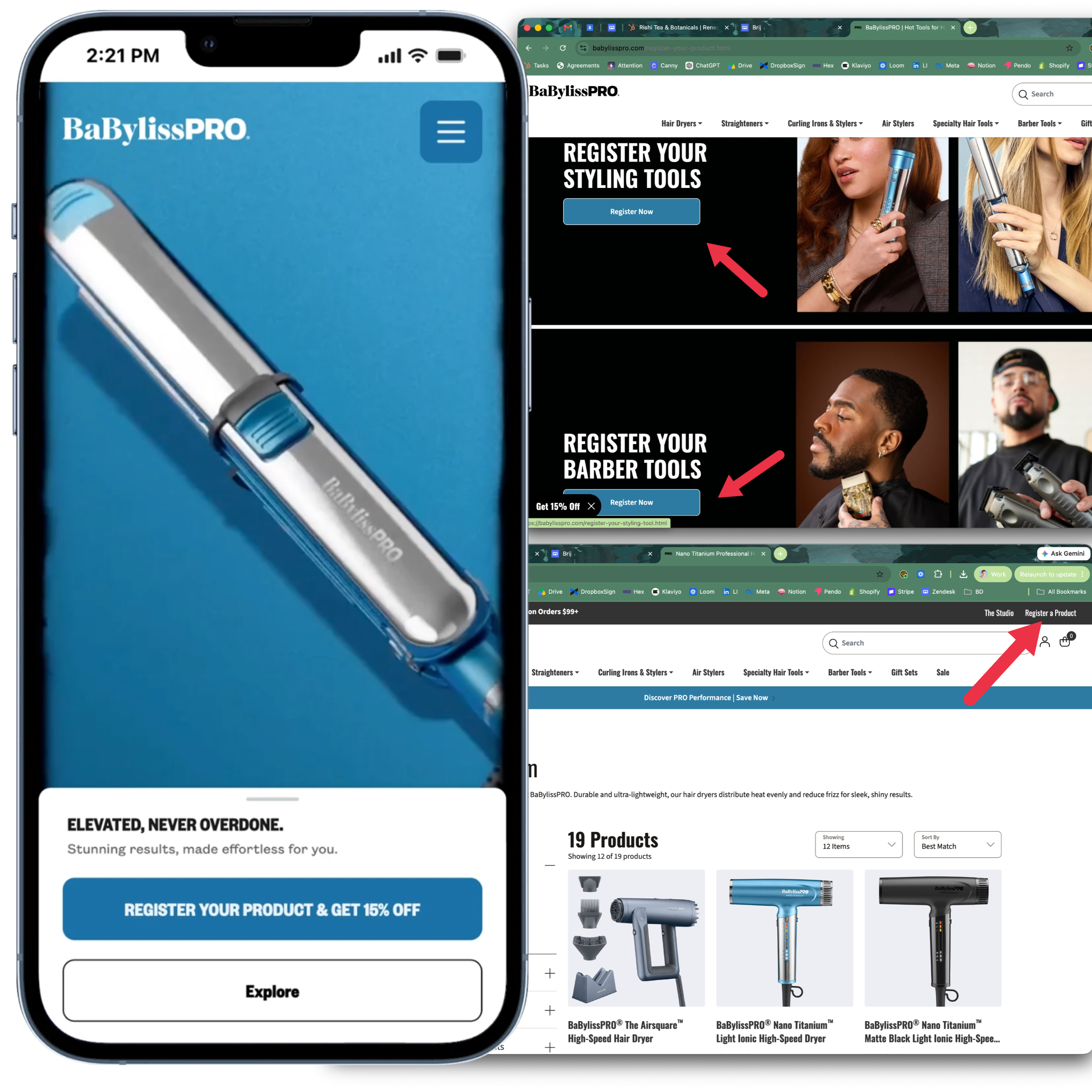
- Digital entry points convert high-intent traffic too: BaBylissPRO's website registration captures data from 27% of visitors, making the website its highest-converting traffic source.
Most omnichannel brands sell the majority of their products in channels they don't own. A shopper picks up your product at Target, orders it on Amazon, or grabs it off an endcap at Wegmans, and the transaction data stays with the retailer.
That's the retail black box. You paid to make the product, paid to get it on the shelf, and paid for the ads that drove the purchase. But you don't know who bought it.
The way out is simple in principle: give every buyer a reason to raise their hand. In practice, it comes down to a question most brands answer too narrowly. Where does that invitation actually show up?
This guide walks through placement options that work, with real examples of brands using each distribution method to turn anonymous buyers into known customers.
QR Code Placement Strategy
Each location reaches a different shopper at a different moment, and each moment calls for a different offer.
- More locations means more scans. Every new placement is one more chance for a shopper to find your experience.
- In-pack placements reach every buyer. A code in the box reaches people who bought through your site, a retailer, or a marketplace alike.
- The right placement matches the moment. Put the code where the shopper needs it. For example, put setup help in the manual and put an offer at the shelf.
The Ground Rules Before You Print
These apply to every physical placement, per Brij's distribution guide:
- Lead with a clear call to action. Tell shoppers exactly what they get: "Scan to register your warranty" or "Scan for $5 back."
- Size it right. Keep the code at 0.75 in x 0.75 in or larger.
- Use strong contrast. Dark code, light background.
- Keep copy tight. Too much text around the code reduces scans.
- Stay away from the barcode. Shoppers assume a code next to the UPC isn't meant for them.
- Test before you print. Scan a physical proof with more than one phone.
Zone 1: In-Pack
If you only invest in one zone, make it this one. In-pack placements travel home with the product, which means they reach DTC, retail, and marketplace buyers equally.
On the box
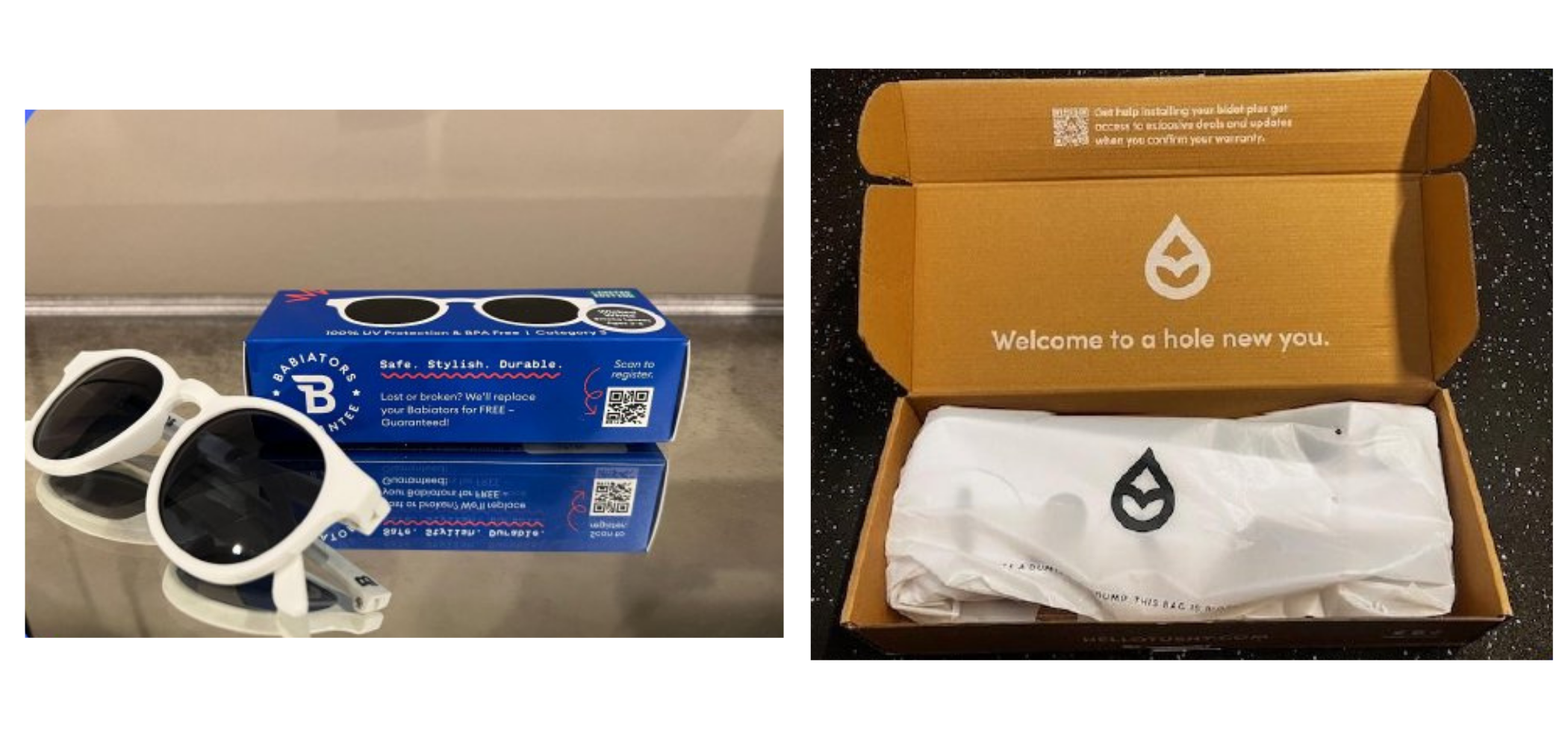
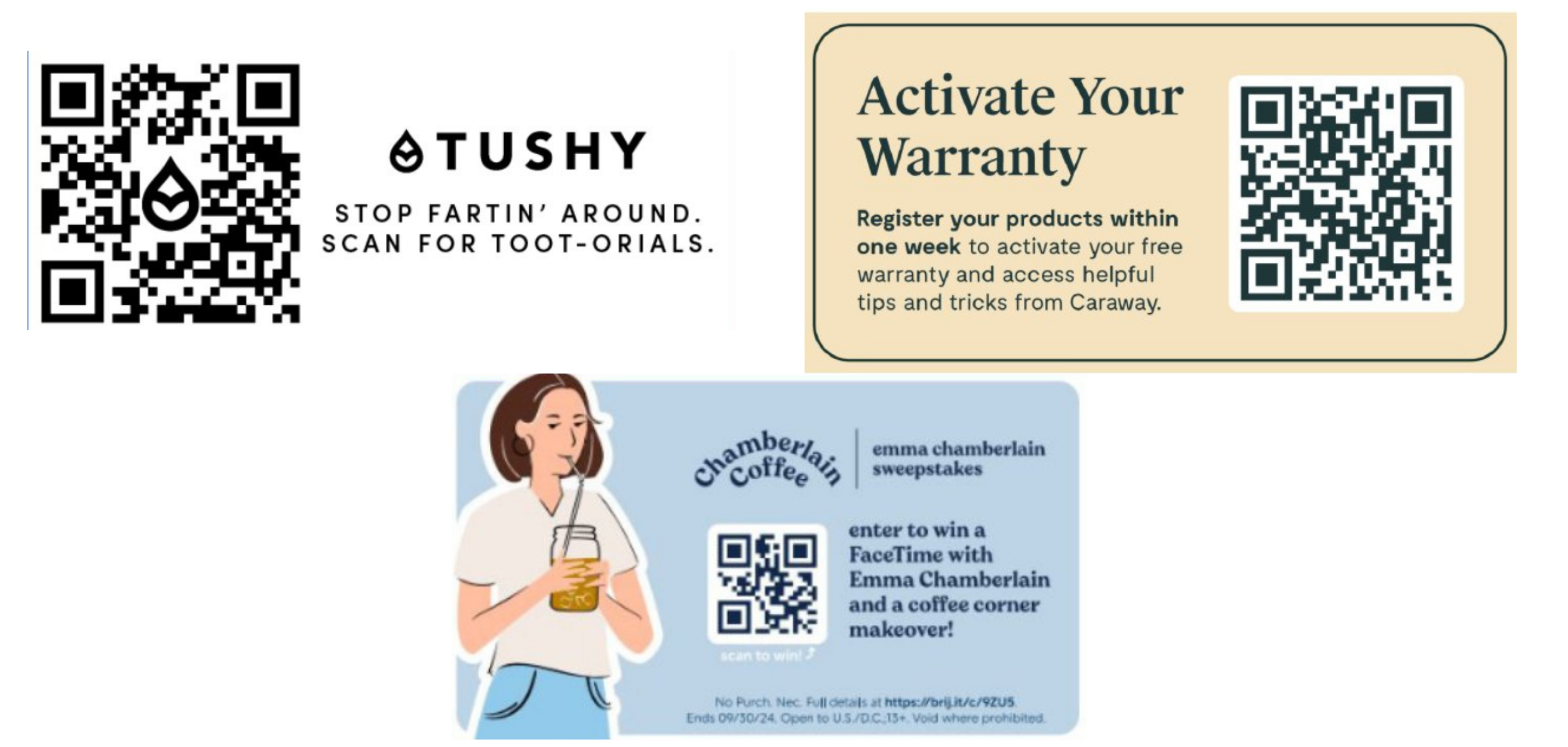
The front panel gets more attention than the back. For a second touchpoint, the inner lid or flap catches shoppers right at unboxing. Babiators puts a code with a clear CTA on its box, while TUSHY places one on its inner packaging.
On the product
A code printed on the product or its label stays with the item long after the box is gone, which makes it ideal for setup help, reorders, and warranty registration months down the line.
Dermazen layers it: a code on the product, on the packaging, and on an insert in every order.
Product inserts
Inserts often outperform codes printed on packaging, and they're the go-to choice for Amazon and TikTok Shop orders.
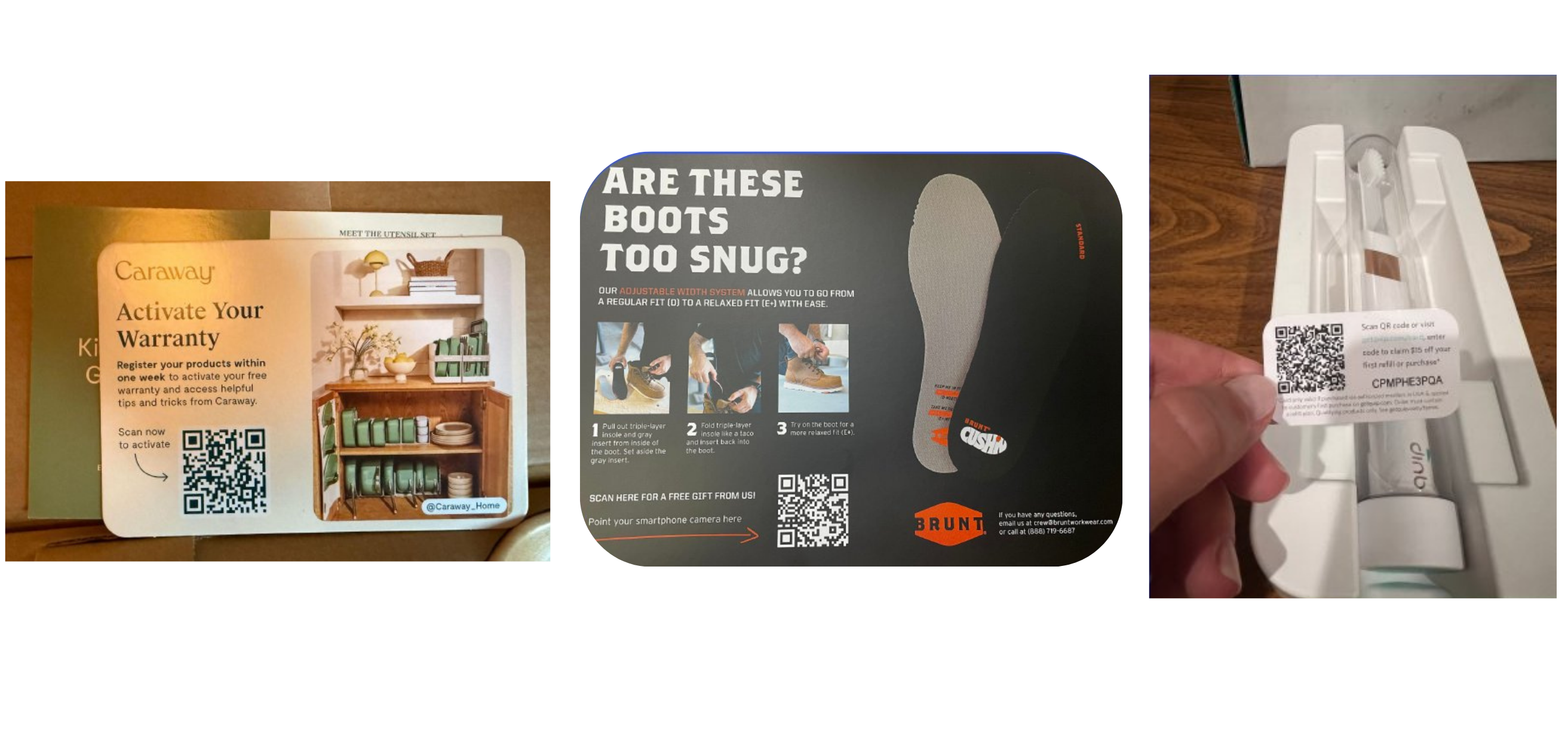
- Brunt Workwear offers a free gift for product registration.
- Canopy places its insert on top, so it's the first thing shoppers see when they open the box.
- Caraway prompts warranty activation.
- Momofuku delivers recipes and cooking instructions.
- Quip tucks a refill-reorder card into the product tray.
- Plant People includes an insert in every TikTok Shop order.
Stickers
Already have inventory in the warehouse? A sticker adds a code without reprinting packaging. TUSHY uses stickers to point to how-to videos, Chamberlain Coffee to drive sweepstakes entries, and Caraway to prompt warranty activation.
Manuals and quick start guides
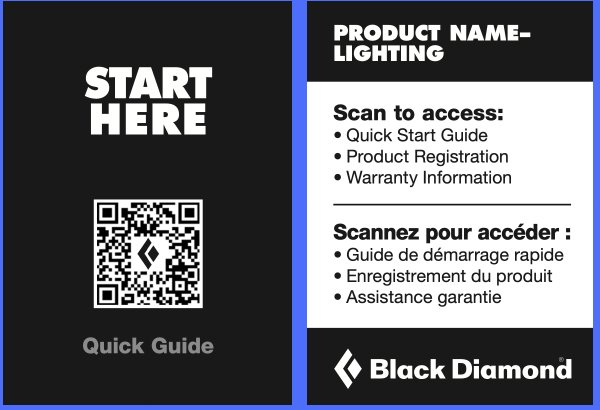
Shoppers open these exactly when they need help. Black Diamond prints a "Start Here" code on its quick guide in two languages, TUSHY puts a code in its product manual, and Lalo uses codes to give owners instant access to its user manuals.
Zone 2: In-Store
In-store placements catch shoppers before or right after they buy, which makes them the natural home for rebates and sweepstakes. Always check each retailer's rules for in-store materials first.
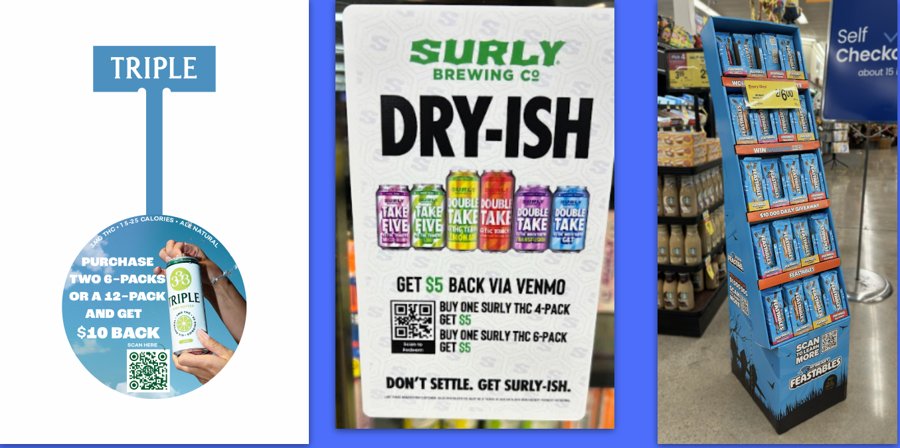
- Shelf talkers, wobblers, and point-of-sale signs put the offer right where the shopper decides, at the shelf edge or near the register.
- Endcaps and floor displays work at scale. Chamberlain Coffee used them with tear-off codes.
- Cooler and fridge displays fit perishable categories. Owyn placed codes on retail fridges in Wegmans.
- In-store screens add video. Sacheu Beauty ran a video in Ulta stores showing shoppers where to buy and how to claim a rebate.
- Demos and sampling turn a taste into a relationship. Plant People used codes at in-store demos to lift sales during sampling.
Zone 3: Direct Mail
A QR code is a great add-on to any win-back campaign or for modernizing old paper processes.
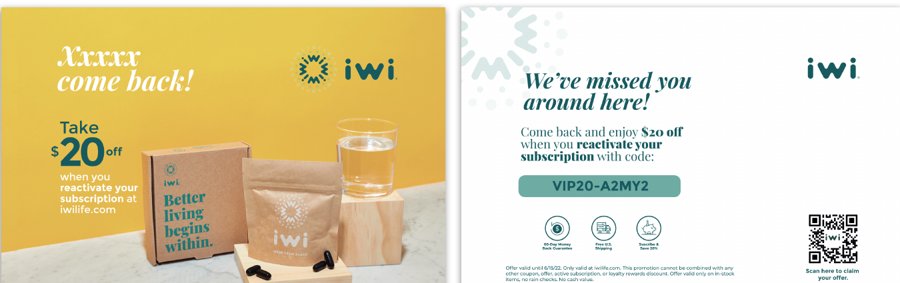
- Win-back mailers: IWI Life sent a mailer with a QR code to subscribers who had cancelled, giving them a fast path back in.
- Digital registration over paper cards: RV Lock and Newton Baby both replaced their mail-in paper registration postcards with Brij QR codes. The buyer registers in seconds, and the brand gets clean, usable data instead of handwriting to transcribe.
Zone 4: Out-of-Home and Events
Out-of-home has always been great at reach and weak at follow-through. Someone sees the billboard, thinks "nice," and walks on. A code changes that by giving the moment somewhere to go.
Local Hive Honey at the NYC Marathon
During NYC Marathon weekend, Local Hive Honey ran marathon-themed creative on LinkNYC displays across the city, each carrying a Brij-powered QR code.
A scan opened a branded mobile experience where shoppers could:
- Discover Local Hive's honey packets
- Shop directly on Amazon
- Unlock a $2 rebate after purchasing
The result is a street-level ad that does three jobs at once: builds awareness during a cultural moment, routes intent to a purchase channel, and uses the rebate to bring the buyer into Local Hive's owned ecosystem after checkout. That last step is what turns an impression into an identified customer.
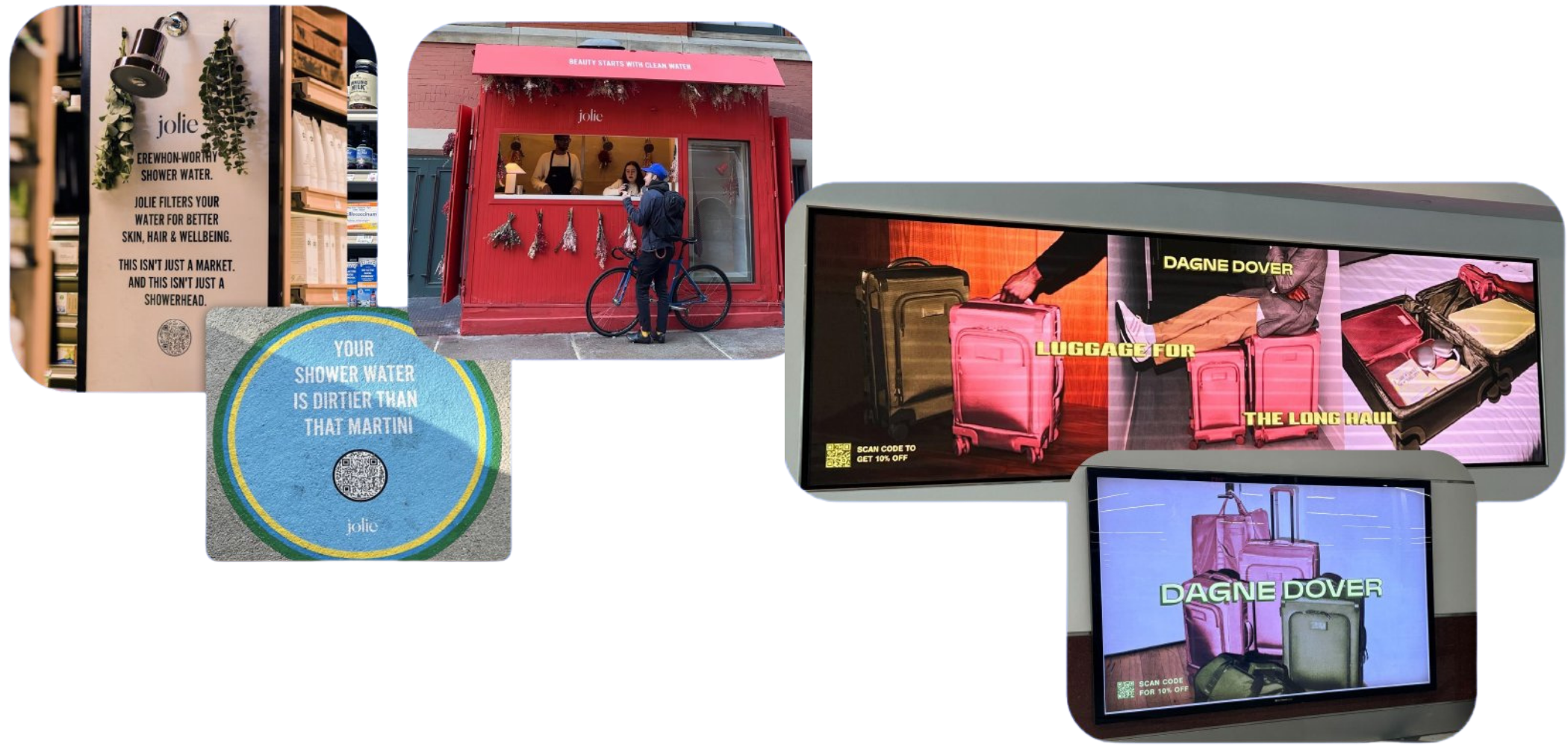
Other brands are running the same play in different formats:
- Billboards and screens: Dagne Dover showed codes on screens in major US airports.
- Street and sidewalk stickers: Nori used sidewalk stickers in New York City.
- Pop-up shops: Jolie featured a code at its New York City pop-up.
- Window vinyls: PlusOne used window vinyls to drive sign-ups and free product.
- Events and sampling: Turtlebox Audio put codes in front of fans at stadiums and festivals, and Caraway brought a shoppable experience to events.
Zone 5: Digital
Physical placements aren't the only way in. Some of your highest-intent buyers are already on your website, in your inbox, or following you on social. A Brij short link or embedded experience meets them there.
BaBylissPRO Digital Activation
BaBylissPRO, the professional hair tools brand, sells mostly through retail and Amazon. Once a product left the shelf, the team had few ways to identify the buyer.
They noticed customers were already visiting the website specifically to register their tools. So BaBylissPRO put "Register Your Tools" front and center on its site, routed the registration page and footer into a Brij-powered experience on a custom domain, and replaced its Linktree with a branded Brij experience across social.
The website quickly became the standout channel:
- 27% data capture rate from website traffic
- 24% conversion on Styling web registration
- 52% conversion on Barber web registration
- Website traffic is now the brand's highest-converting traffic source
Digital didn't replace physical, though. BaBylissPRO also runs codes across packaging, inserts, stickers, and instructions, and on-product traffic converted at more than 2x the rate of social traffic. Every entry point feeds Klaviyo for welcome journeys and lifecycle follow-up.
The same principle applies across email, SMS, social, and paid ads. Sharing a Brij short link in every digital channel, not just one, reaches the shoppers who will never see your shelf.
How to Know Which Placement Is Working
Using the same code everywhere is easy, but it hides which location drove the scan. The fix is to assign a separate variant experience to each placement, then compare scans and conversion side by side in Brij.
A few practical answers to common questions:
- Already printed your packaging? Add a sticker or insert, or redirect an existing dynamic code from another platform to Brij.
- Want to change the offer later? You can edit the experience at any time with Dynamic Content. The printed code stays the same.
- Printing? Use the SVG file so the code stays sharp at any size. Save PNG for digital.
Placement is half the job. The other half is making sure every scan leads somewhere worth going.
How Brij Helps: What Happens After the Scan
Every placement in this guide does the same thing: it turns an anonymous purchase into a verified buyer. That's the input. What you do with it is where the value compounds.
Brij captures those verified retail and marketplace purchases and puts them to work on both sides of LTV:CAC ratio:
- Lower CAC with Brij Signal. Verified offline and marketplace purchases flow into Meta, Google, and TikTok Ads, so the algorithms optimize on your total sales instead of the DTC slice. Turtlebox saw a 64% lift in attributed conversions on Meta after connecting Brij data.
- Grow LTV through owned channels. Registrations, rebate claims, and purchase details sync to your CRM and email/SMS tools through Brij Integrations, so you can retarget for replenishment, cross-sell, and suppress existing customers from acquisition spend.
You can't market to someone you've never met. The right placement mix makes sure you meet all of them.
If you want to see which placements fit your channel mix, book a demo with Brij.